
Creating an Efficient House
An efficient home is one that reduces unnecessary energy consumption, cuts greenhouse gas emissions and increasingly uses renewable energy sources. At the same time, it saves significant sums of money while providing a comfortable living environment. Creating an efficient house requires a mix of employing some new technology, upgrading a few existing materials and changing some of the habits of those living in the house.
Changing people’s habits costs nothing in terms of cash outlay but can be difficult unless the people involved are made aware of the benefits of the changes they are being ask to make to the family budget and the health of the planet, so bring them onboard early and explain why the changes are required. These are normally only minor behavioural changes, which should all make sense to everyone in the household. Switching off the light as they leave a room, should seem obvious, as should keeping warm air inside the house by closing doors to the outside if venturing out in a cold day. Using remote controls to switch off televisions, computers, monitors, printers or gaming consoles will leave them in standby mode and does not stop them from using electricity.
Not every room in the house needs to be kept at the same temperature. The warmest rooms should be the ones where people sit to relax, such as the main lounge area. Bedrooms do not need to be at such a high temperature so the temperature in these can be reduced, as can hallways where people only pass through briefly. It is also wise to keep interior doors closed to keep room temperatures at the required levels and it also helps to retain heat in a room if the curtains are closed during the hours of darkness.
Cutting your energy bills can be as simple as changing your light bulbs to low energy LEDs. These maybe more expensive to buy but they last much longer than conventional light bulbs and use noticeably less power. Self-adhesive foil sheets designed to fit behind radiators will increase the efficiency of the radiator by reflecting the heat from the radiator back into the room. Check the energy performance certificate (EPC) ratings of all your main electric appliances to ensure that they all offer the best usage of electricity when in use. Larger appliances such as white goods (washing machines, dishwashers, fridge freezers, etc.) will have a sticker or label attached to them showing the efficiency rating. The efficiency rating scale runs from A to G with A being the most efficient and G the least. If you find that some of your older appliances have a low rating on this scale it means that they are less energy efficient and will use more electricity than newer appliances with a higher rating. That being the case, in the long term there may be cost savings to be made by replacing the appliance with a more energy efficient model which would also mean less harmful emissions.
Many new build homes are now being designed and built to a much higher standard of energy efficiency, many being marketed as Energy Efficient Homes as they are built with very high standards of insulation and other measures including heat pumps rather than gas boilers which would earn the property a high EPC rating. Some developers are moving further down the energy saving route by not only pre-empting government legislation which will ban new gas boiler installations, by proactively installing air source heat pumps and designing the entire heating and hot water system to accommodate that change. This move is designed to cut down on the carbon footprint of the property, although it could be argued that as a heat pump requires electricity to operate, it is not totally green.
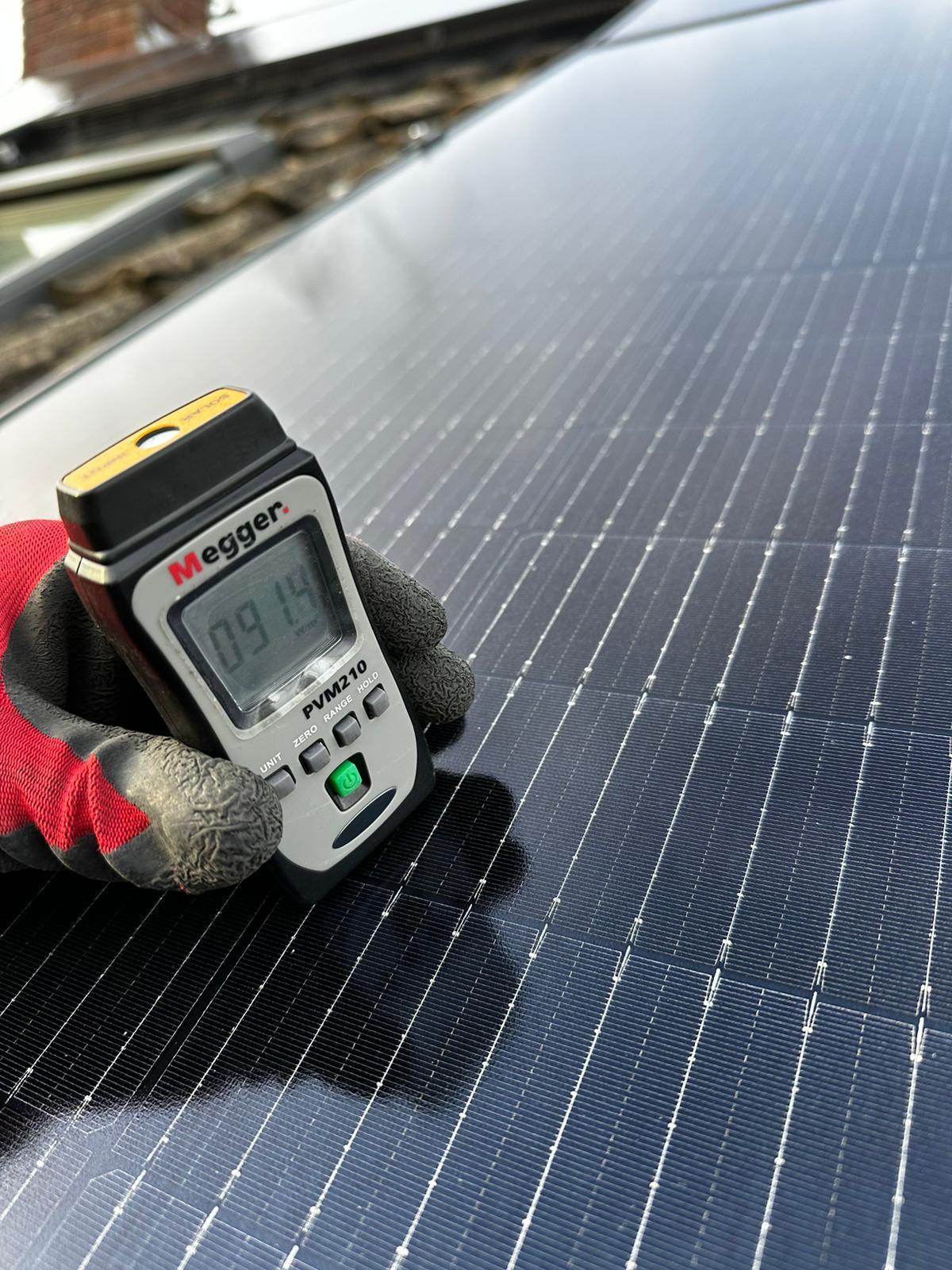
This can however be managed by the installation of photovoltaic solar panels that transform sunlight into electricity. Solar panel technology is improving, it is becoming more efficient, requiring sunlight rather than direct sunshine to generate electricity, but new solar tiles are now being developed and these can be fitted as part of the original roof on a new build house, rather than being bolted on to traditional roof tiles or slates. As we are unable to control the amount of sun we encounter on a daily basis, there may be times when we will generate more electricity than we use and as we may not be able to store that, we can then sell our spare capacity back to the national grid.
It is worth considering that at times during daylight hours when the sun is at its hottest and the house may be empty that we may over produce from our solar panels. This will create a situation of high electricity generation coupled with low power demand during daylight hours. On the other hand our solar panels will not generate power during the hours of darkness, when power demand in most homes is at its highest. It is this scenario which is prompting many users to invest in banks of rechargeable, high performance, state-of-the-art-technology batteries. These batteries will store the excess electricity generated during low demand, daylight hours and release it on demand in the evening or overnight. Batteries such as these are a considerable investment, with a cost of somewhere between £2,500 and £10,000 depending on a number of factors such as, make, size and how many. On the plus side, the average three or four bedroom house could save somewhere between £660 and £1,000 per year on electricity. By installing solar panels and batteries you can balance out your capacity for generating electricity against your usage, making your property almost self-sufficient, cutting down your energy bills and helping to cut down on the emission of harmful greenhouse gases into the atmosphere.
Creating an energy efficient house needs changes in the habits of the members of the household as well as investment in new technology such as, heat pumps, solar panels and rechargeable batteries and as much of this technology is expensive to install retrospectively, it will hopefully become the way forward in all new build homes which would allow the costs to be integrated into the cost of buying that property.
If you are thinking of buying or selling your home, you may find some of these services useful: